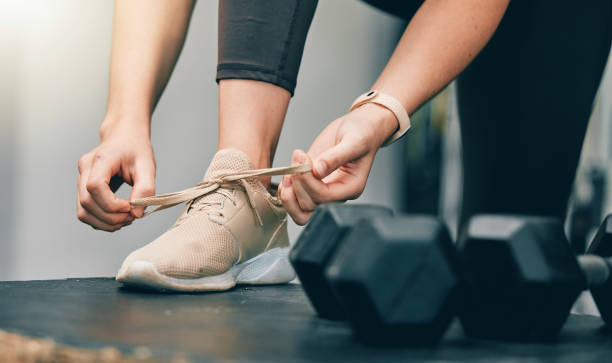

Choosing the right footwear is an important part of building an effective fitness routine. Different exercises place different demands on the feet, ankles, and lower body, making proper support essential for comfort, balance, and performance. Whether someone enjoys strength training, cardio, high-intensity interval training, or functional workouts, suitable footwear can make a noticeable difference. Cross training shoes are designed to support a variety of physical activities by combining stability, flexibility, cushioning, and traction in one versatile design. Unlike footwear made specifically for running or weightlifting, these shoes are intended to accommodate different movements within a single workout session. Understanding how they support various fitness activities can help individuals make informed footwear choices and improve their overall training experience.
What Are Cross Training Shoes?
Cross training shoes are versatile athletic footwear designed for people who participate in multiple types of physical activities. They provide a combination of support, flexibility, cushioning, and grip to accommodate movements such as jumping, lifting, sprinting, and lateral exercises.
Unlike specialised running shoes, which are primarily designed for forward movement, cross training footwear supports multidirectional activities. Their construction generally includes a stable sole, supportive upper material, and cushioning that helps manage impact during different exercises.
Key Features of Cross Training Shoes
Several features make this footwear suitable for varied workout routines:
- Stable sole: Provides a supportive foundation during strength training and balance exercises.
- Flexible construction: Allows natural foot movement during dynamic workouts.
- Cushioning: Helps absorb impact during jumping and cardio activities.
- Traction: Supports grip on different indoor training surfaces.
- Supportive upper: Helps secure the foot during side-to-side movements.
- Durable materials: Withstand repeated movements and regular training sessions.
These features work together to provide versatility without requiring individuals to change footwear between every exercise.
How Do Cross Training Shoes Support Different Fitness Activities?
Different fitness activities involve different movement patterns. A suitable pair of training shoes can help provide the support needed to perform these movements comfortably and confidently.
1. Strength Training and Weightlifting
Strength training involves exercises such as squats, lunges, deadlifts, and dumbbell presses. These movements require a stable foundation to maintain proper positioning and control.
Cross training shoes generally feature firmer soles than traditional running shoes. This construction helps minimise excessive compression when lifting weights, allowing individuals to maintain better contact with the ground.
A stable base can also support balance during exercises that involve shifting body weight between the feet.
How they help:
- Provide a stable platform during controlled lifting movements.
- Support foot positioning during squats and lunges.
- Reduce excessive sole compression under moderate loads.
- Help maintain balance during resistance exercises.
However, individuals performing heavy Olympic lifts or specialised weightlifting may benefit from dedicated weightlifting shoes with a firmer platform and elevated heel.
2. High-Intensity Interval Training (HIIT)
High-intensity interval training combines short periods of demanding exercise with recovery intervals. Typical movements include burpees, jumping jacks, mountain climbers, squat jumps, and fast-paced bodyweight exercises.
These workouts involve frequent changes in direction, speed, and intensity. Cross training shoes are designed to accommodate such movements through a combination of cushioning, flexibility, and lateral support.
Their versatile construction helps individuals transition between exercises without needing separate footwear for every movement.
How they help:
- Cushion the feet during repeated jumping movements.
- Provide traction during quick transitions.
- Support lateral movements and changes in direction.
- Offer flexibility for dynamic bodyweight exercises.
The right level of cushioning can also contribute to a more comfortable workout experience during high-impact training sessions.
3. Cardio and Aerobic Workouts
Cardiovascular exercises help improve heart health, endurance, and overall fitness. Activities such as indoor cycling, step exercises, aerobic routines, and short treadmill sessions are common parts of many training programmes.
Cross training shoes can support several types of cardio activities by providing cushioning and flexibility. Their design allows individuals to move comfortably through different exercise patterns.
For moderate cardio sessions involving varied movements, this versatility can be useful.
However, regular long-distance running places repeated forward impact on the feet. Dedicated running shoes are generally more appropriate for runners who spend extended periods covering longer distances.
4. Functional Fitness Training
Functional fitness focuses on movements that develop strength, coordination, flexibility, and balance for everyday physical activities. Common exercises include carrying weights, climbing, lunging, pushing, pulling, and stepping.
These activities often require movement in multiple directions. Cross training shoes provide a combination of stability and flexibility that can support these varied patterns.
Key advantages include:
- Improved footing during multidirectional movements.
- Support during controlled bodyweight exercises.
- Better traction during functional circuits.
- Flexibility for movements involving bending and stepping.
- A secure fit during exercises that require frequent transitions.
This makes them a practical footwear choice for people who prefer varied workout routines rather than focusing on one type of exercise.
5. Circuit Training
Circuit training involves performing several exercises in sequence with limited rest between movements. A typical circuit may include push-ups, squats, jumping jacks, lunges, and resistance exercises.
Because participants frequently move from one activity to another, footwear needs to accommodate different physical demands.
Cross training shoes can provide the necessary balance of cushioning, grip, and support for these changing movements. Their versatile construction helps individuals maintain comfort while transitioning between strength and cardio exercises.
6. Agility and Lateral Movement Exercises
Agility training focuses on improving coordination, reaction time, and the ability to change direction quickly. Exercises may include lateral shuffles, cone drills, quick steps, and short acceleration movements.
These activities place additional demands on the sides of the feet and ankles. Footwear with a supportive upper and suitable outsole traction can help maintain stability during directional changes.
Cross training shoes are often designed with lateral support to accommodate side-to-side movement. This can help reduce unwanted foot movement inside the shoe while performing agility drills.
Cross Training Shoes vs. Specialised Athletic Shoes
Different athletic shoes are designed to meet specific exercise requirements. Understanding these differences can help individuals determine when versatile training footwear is suitable and when specialised footwear may be a better choice.
| Footwear Type | Primary Purpose | Main Features |
| Cross training shoes | Multiple fitness activities | Stability, flexibility, cushioning |
| Running shoes | Running and jogging | Impact cushioning, forward-motion support |
| Weightlifting shoes | Heavy lifting | Firm sole, elevated heel |
| Walking shoes | Daily walking | Comfort, cushioning, flexibility |
| Court shoes | Court-based sports | Lateral support, traction, stability |
Cross training shoes are a convenient option for individuals who combine different exercises in one session. However, specialised footwear may provide better performance support for activities with more specific movement requirements.
What Should You Look for When Choosing Cross Training Shoes?
Selecting suitable footwear involves considering your workout routine, foot shape, comfort preferences, and training intensity.

1. Consider Your Workout Requirements
Think about the activities you perform most frequently. If your routine includes weight training, HIIT, and functional fitness, look for footwear that offers a balanced combination of stability and flexibility.
2. Check Sole Stability
A supportive sole is important for exercises that involve lifting weights or maintaining balance. Avoid overly soft soles if strength training is a major part of your routine.
3. Look for Proper Cushioning
Cushioning helps improve comfort during jumping and other high-impact activities. Choose a level of cushioning that matches your workout intensity without compromising stability.
4. Ensure a Comfortable Fit
Shoes should provide enough space for natural toe movement while keeping the heel secure. Footwear that is too tight or too loose can create discomfort during exercise.
5. Evaluate Traction and Durability
A good outsole should provide reliable grip on common workout surfaces. Durable materials are also important because cross training involves repeated movements in different directions.
Common Mistakes to Avoid When Using Cross Training Shoes
Even versatile footwear may not deliver the expected comfort and support if it is selected or used incorrectly.
Some common mistakes include:
- Choosing the wrong size: Poorly fitting shoes can create pressure points and unwanted foot movement.
- Ignoring workout requirements: Not every training shoe is suitable for heavy lifting or long-distance running.
- Selecting excessive cushioning: Very soft soles may reduce stability during resistance exercises.
- Overlooking traction: Inadequate grip can make quick directional movements more difficult.
- Ignoring shoe condition: Worn-out soles and damaged support materials can affect comfort and stability.
- Using one pair for every activity: Specialised sports may require footwear designed for their specific movement patterns.
Evaluating footwear regularly and replacing worn-out shoes can help maintain a comfortable training experience.
Conclusion
Cross training shoes provide versatile support for individuals who participate in different types of fitness activities. Their combination of stability, flexibility, cushioning, and traction makes them suitable for strength training, HIIT, functional fitness, circuit training, and agility exercises. They also offer convenience by allowing individuals to transition between multiple workout movements without frequently changing footwear.
However, choosing the right pair depends on individual training requirements, comfort, and exercise intensity. While versatile training footwear works well for many general fitness routines, specialised shoes may be more appropriate for activities such as long-distance running or heavy Olympic weightlifting. By understanding the features and benefits of cross training footwear, individuals can make better choices and build a more comfortable, balanced, and effective fitness routine.