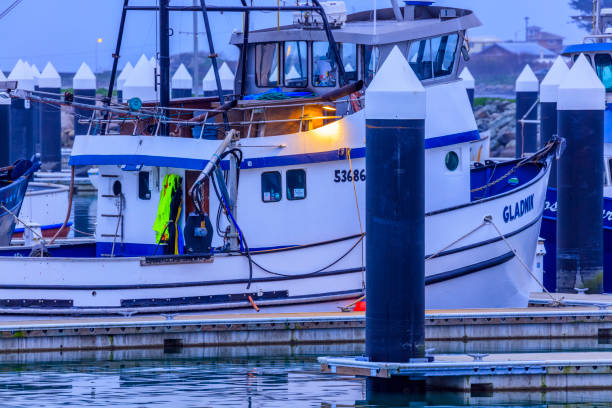

Proper lighting is an important part of creating a safe, functional, and attractive waterfront environment. Whether you manage a private dock, operate a marina, or maintain a waterfront property, suitable illumination can improve visibility and make nighttime activities more convenient. Marina dock lights play an important role in illuminating walkways, docking areas, boat slips, and surrounding spaces after sunset. However, choosing suitable fixtures is only the first step. Correct installation, appropriate electrical protection, regular cleaning, and routine inspections are equally important for long-term performance. Understanding these factors can help property owners maintain reliable lighting while reducing unnecessary repairs, energy consumption, and safety risks.
Why Are Marina Dock Lights Important?
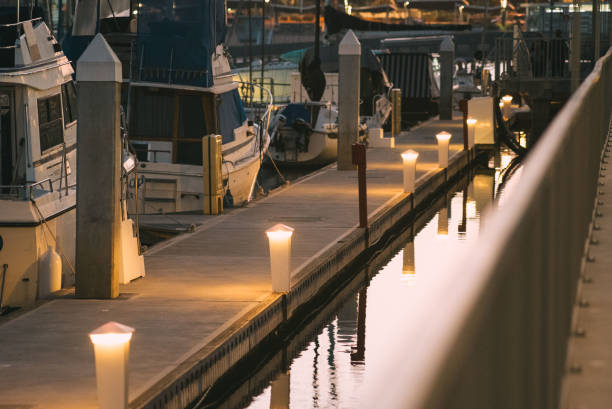
Dock lighting serves several purposes beyond improving the appearance of a waterfront property. It helps people identify walkways, locate docking spaces, and move around the marina more confidently after dark.
Good lighting can also make it easier to identify potential hazards, such as wet surfaces, ropes, equipment, and changes in walkway levels.
Some important benefits include:
- Improved visibility: Illuminates important areas around docks and walkways.
- Better nighttime safety: Helps people recognize obstacles and potential tripping hazards.
- Convenience: Makes accessing boats and equipment easier after sunset.
- Enhanced appearance: Creates a welcoming atmosphere around waterfront properties.
- Operational support: Helps marina staff perform certain maintenance and docking activities during low-light conditions.
Lighting should be planned carefully to provide useful illumination without creating excessive glare or disturbing nearby properties and natural habitats.
Different Types of Marina Dock Lights
Before beginning installation, it is important to understand the available lighting options. Different fixtures serve different purposes depending on dock construction, environmental conditions, and illumination requirements.
1. LED Dock Lights
LED lights are widely used in outdoor lighting applications because of their energy efficiency and long operating life.
They produce bright illumination while generally consuming less electricity than traditional lighting technologies. Their compact designs also make them suitable for different dock layouts.
LED fixtures are available in different brightness levels and color temperatures, allowing property owners to select lighting that matches their requirements.
2. Solar-Powered Dock Lights
Solar-powered lights use sunlight to charge internal batteries during the day and provide illumination after sunset.
They can be useful in locations where installing electrical wiring is difficult or expensive. Since they do not require a conventional power connection at each fixture, they can simplify certain lighting projects.
However, their performance depends on sunlight exposure, battery capacity, weather conditions, and product quality.
See also: Pizza Around the World: How Do Different Cultures Make Their Pizza?
3. Underwater Dock Lights
Underwater lights are installed beneath the water’s surface to illuminate the surrounding water.
They can create an attractive visual effect and help improve visibility immediately around certain waterfront structures. These fixtures require specialized waterproof construction and suitable installation methods.
Their placement should also consider local environmental regulations and potential effects on aquatic life.
4. Pathway and Deck Lights
Pathway and deck lights are designed to illuminate walking surfaces, steps, and access points.
They are useful for highlighting changes in elevation and making movement around the dock more convenient. Low-profile fixtures can provide practical illumination without taking up unnecessary space.
Planning Before Installing Marina Dock Lights
A successful lighting installation begins with proper planning. Rushing into fixture placement without understanding the dock layout can lead to uneven illumination and unnecessary electrical work.
1. Evaluate the Dock Layout
Start by examining the entire dock area. Identify walkways, boat slips, stairs, access points, and locations where people regularly move.
Consider which sections need general illumination and which require focused lighting. For example, entrance areas may need brighter lighting than decorative sections.
2. Choose Suitable Lighting Locations
Fixture placement should provide consistent visibility without creating harsh glare.
Avoid positioning lights where they shine directly into the eyes of boat operators, nearby residents, or people using the dock.
Consider mounting fixtures along walkways, near steps, around access points, and at other locations where additional visibility is useful.
3. Select Weather-Resistant Fixtures
Dock environments expose lighting equipment to moisture, rain, humidity, temperature changes, and sometimes saltwater.
Choose fixtures specifically designed for the intended outdoor or marine environment. Look for appropriate ingress protection (IP) ratings, corrosion-resistant materials, and suitable electrical components.
Saltwater locations generally require additional attention to corrosion resistance.
4. Check Electrical Requirements
Electrical safety is especially important around water. Before installation, determine the required voltage, power supply, wiring method, and protection systems.
Marine electrical installations should comply with applicable local electrical codes and safety requirements. Use qualified professionals for electrical design, wiring, and connections.
Step-by-Step Installation Process
The exact installation procedure depends on the fixture type and dock construction. However, the following general steps provide an overview of the process.
Step 1: Prepare the Installation Area
Clean the selected mounting locations and remove dirt, debris, and loose materials.
Inspect the dock surface to ensure it can support the fixtures securely. Identify existing wiring and other utilities before drilling or making modifications.
Step 2: Position and Secure the Fixtures
Mark the planned fixture positions according to the lighting layout.
Use mounting hardware suitable for the dock material and environmental conditions. Stainless steel or other corrosion-resistant fasteners may be appropriate, depending on the installation.
Ensure each fixture is firmly secured and positioned to illuminate the intended area.
Step 3: Arrange Electrical Connections Safely
Electrical connections near water must be handled with particular care.
Use marine-rated cables, suitable enclosures, and correctly rated electrical components. Circuits should have appropriate ground-fault protection, grounding, and overcurrent protection as required by applicable codes.
A qualified marine electrician should complete and inspect electrical connections. Never attempt to connect or modify electrical wiring while the circuit is energized.
Step 4: Seal and Protect Connections
Moisture can damage electrical components and cause corrosion over time.
Use compatible weatherproof connectors, gaskets, and enclosures designed for the specific installation. Ensure cable entries are properly protected against water penetration.
Avoid relying on ordinary tape or unsuitable sealants as a substitute for approved electrical protection.
Step 5: Test the Lighting System
After installation and professional inspection, test the fixtures to confirm that they operate correctly.
Check brightness, coverage, switching controls, and any automatic lighting functions.
Look for dark areas, excessive glare, flickering, or inconsistent operation. Make necessary adjustments before considering the installation complete.
How to Maintain Marina Dock Lights for Long-Term Use
Regular maintenance helps preserve lighting performance and identify potential problems before they become expensive repairs.
1. Clean Fixtures Regularly
Dust, salt deposits, algae, and other environmental residues can accumulate on outdoor lighting fixtures.
Clean accessible exterior surfaces using a soft cloth and a suitable cleaning solution recommended for the fixture material.
Avoid abrasive brushes and harsh chemicals that may damage protective coatings or lenses.
2. Inspect for Corrosion
Metal fixtures, fasteners, and electrical enclosures can deteriorate when exposed to moisture and saltwater.
Inspect these components regularly for rust, discoloration, loose fittings, and damaged protective coatings.
Replace deteriorated hardware with compatible corrosion-resistant alternatives.
3. Examine Wiring and Connections
Check accessible wiring, cable supports, and enclosures for visible damage, wear, or signs of water intrusion.
Look for cracked insulation, loose fittings, and damaged protective covers.
Electrical repairs should always be handled by a qualified professional after the circuit has been safely isolated.
4. Check Light Output
A gradual reduction in brightness may indicate dirty lenses, aging components, battery problems, or electrical issues.
Compare the lighting performance across different dock sections. Replace defective fixtures or components according to the manufacturer’s maintenance instructions.
5. Maintain Solar Lighting Batteries
For solar-powered dock lights, inspect solar panels for dirt, shading, and surface damage.
Check battery performance according to the product’s maintenance schedule. Replace batteries when their capacity decreases significantly or they no longer provide reliable nighttime operation.
Common Installation and Maintenance Mistakes to Avoid
Even good lighting equipment may perform poorly when installation and maintenance are neglected.
Some common mistakes include:
- Choosing fixtures that are not suitable for marine environments.
- Ignoring corrosion resistance when selecting mounting hardware.
- Installing lights without considering glare and visibility.
- Using ordinary electrical components in wet locations.
- Overlooking appropriate ground-fault and electrical protection.
- Allowing dirt and salt deposits to accumulate on fixtures.
- Ignoring damaged cables, loose fittings, or water intrusion.
- Installing excessive lighting without considering energy use and environmental effects.
Avoiding these mistakes can help improve reliability and reduce unnecessary maintenance costs.
Final Thoughts
Installing and maintaining dock lighting requires careful planning, suitable equipment, and consistent attention to safety. The right fixtures can improve nighttime visibility, support safer movement, and enhance the overall appearance of waterfront spaces.
When selecting marina dock lights, consider the dock layout, environmental conditions, fixture materials, energy requirements, and intended lighting coverage. LED, solar-powered, underwater, and pathway lighting options each serve different purposes.
Most importantly, prioritize professional electrical installation, appropriate weather protection, and regular inspections. Clean fixtures, check for corrosion, monitor electrical components, and address minor problems promptly. With proper installation and ongoing care, a well-designed dock lighting system can provide dependable illumination and remain functional for years.