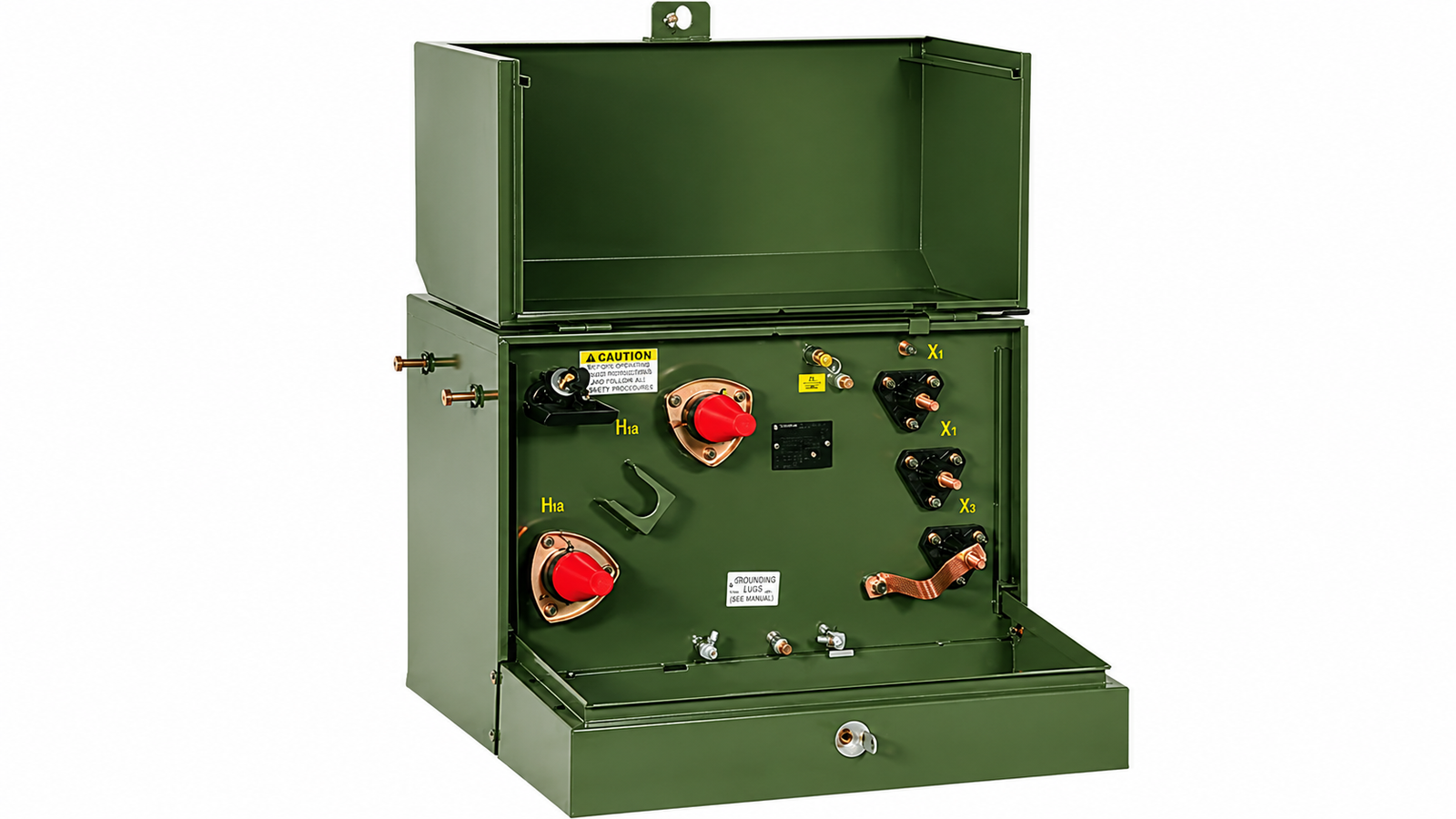

Choosing the right transformer is an important part of designing a reliable electrical distribution system. The equipment must match the required voltage, electrical load, installation environment, and operating conditions. A single phase pad mounted transformer is commonly used in residential, commercial, and utility distribution networks where electrical power needs to be stepped down safely for end users. Understanding its specifications and application requirements helps ensure the selected transformer delivers dependable performance and meets the demands of the electrical system.
1. Understand the Required Transformer Capacity
One of the first factors to consider is the transformer’s capacity, which is measured in kilovolt-amperes (kVA). The capacity determines how much electrical load the transformer can support under specified operating conditions.
Selecting an appropriate rating helps prevent unnecessary overloading and supports stable power distribution.
Evaluate the Total Electrical Load
Before choosing a transformer, calculate the expected electrical demand of the connected equipment and buildings. Consider:
- Total connected electrical equipment.
- Peak electricity consumption.
- Expected operating hours.
- Starting requirements of motors and other equipment.
- Potential increases in future electrical demand.
The transformer should have sufficient capacity to support normal operating loads without consistently approaching its maximum rating.
Consider Future Load Growth
Electrical requirements can change as properties expand, additional equipment is installed, or new buildings are connected. Selecting a transformer with appropriate capacity for anticipated demand can reduce the need for early replacement or system modifications.
However, excessive oversizing should also be avoided because it may increase initial equipment requirements and contribute to inefficient operation under certain load conditions.
2. Check Primary and Secondary Voltage Requirements
Voltage compatibility is another essential consideration when selecting a distribution transformer. The equipment must match the incoming supply voltage and provide the appropriate output voltage for connected electrical systems.
Understand Primary Voltage
Primary voltage refers to the voltage supplied to the transformer from the electrical distribution network. Common configurations may include medium-voltage supply levels, depending on the utility system and application.
The selected transformer must be compatible with the available incoming voltage to ensure proper operation.
Confirm Secondary Voltage
Secondary voltage is the output voltage delivered to the connected electrical system. It should match the requirements of the equipment, building infrastructure, or distribution network receiving power.
For example, certain single-phase pad-mounted transformer configurations provide 120/240 V secondary outputs, while other models support different voltage arrangements.
Always confirm voltage requirements before selecting a transformer. Incorrect voltage compatibility can affect equipment performance and electrical safety.
3. Evaluate the Installation Environment
The location where a transformer will be installed has a direct impact on equipment selection, protection requirements, and long-term performance.
Pad-mounted transformers are generally installed at ground level on a suitable concrete pad or engineered foundation. Their enclosures are designed for outdoor electrical distribution applications.
Consider Available Installation Space
Check the installation area to ensure sufficient room for the transformer, electrical connections, maintenance activities, and required safety clearances.
Important considerations include:
- Available ground space.
- Accessibility for installation and servicing.
- Distance from buildings and other structures.
- Cable entry and connection arrangements.
- Drainage and foundation conditions.
The installation layout should also allow authorised electrical personnel to access the equipment safely.
Assess Environmental Conditions
Outdoor transformers may be exposed to rain, humidity, sunlight, dust, temperature changes, and other environmental conditions.
The enclosure, insulation system, and protective features should be suitable for the intended installation environment.
In locations with challenging weather conditions, additional attention should be given to corrosion resistance, moisture protection, and enclosure integrity.
4. Understand the Cooling Method
Transformer cooling plays an important role in managing the heat generated during electrical operation. Heat is produced by winding resistance, magnetic core losses, and other operating factors.
Many oil-immersed pad-mounted distribution transformers use ONAN cooling.
What Is ONAN Cooling?
ONAN stands for Oil Natural Air Natural. This cooling method uses natural oil circulation inside the transformer tank and natural air movement around its external surface.
The insulating fluid absorbs heat from the internal components and transfers it to the tank walls. The surrounding air then helps dissipate that heat into the environment.
Why Cooling Selection Matters
An appropriate cooling arrangement helps maintain operating temperatures within the equipment’s design limits.
When evaluating cooling requirements, consider:
- Expected electrical loading.
- Ambient temperature.
- Installation ventilation.
- Transformer design and insulation system.
- Manufacturer-specified operating conditions.
The selected cooling arrangement should be appropriate for the intended duty and environmental conditions.
5. Check the Insulating Fluid
The insulating fluid performs two important functions in oil-immersed transformers: electrical insulation and heat transfer.
Mineral oil is commonly used in distribution transformers because of its established insulating and cooling properties.
Consider Fluid Quality and Type
When selecting a transformer, review the insulating fluid specification and confirm that it meets the applicable electrical and environmental requirements.
Non-PCB mineral oil is an important specification to check when evaluating transformer options.
The insulating fluid should also be compatible with the transformer’s design and maintenance requirements.
Review Fluid Maintenance Requirements
Oil condition can influence transformer reliability over time. Moisture, oxidation, contamination, and other changes may affect insulating performance.
Depending on the equipment and maintenance programme, periodic inspections and oil testing may be necessary to identify potential problems before they affect operation.
6. Review Enclosure Design and Safety Features
A pad-mounted transformer is generally installed in accessible outdoor areas, making enclosure design and safety important selection factors.
The enclosure should provide appropriate protection for internal electrical components while restricting access to hazardous parts.
Look for Suitable Protective Features
Important features to review include:
- Secure and lockable enclosure doors.
- Properly designed high-voltage and low-voltage compartments.
- Suitable weather protection.
- Appropriate grounding provisions.
- Safe access for authorised maintenance personnel.
- Protective arrangements for electrical connections.
The transformer should also comply with relevant electrical safety standards and applicable installation regulations.
Consider Public Accessibility
In residential and commercial environments, transformers may be installed near roads, footpaths, parking areas, or landscaped spaces.
Their placement should account for public accessibility, vehicle movement, physical protection, and required safety distances.
7. Verify Electrical Standards and Certifications
Electrical equipment should meet the standards and technical requirements applicable to its intended installation.
Before selecting a transformer, review its documentation to confirm that the design, construction, and performance specifications are appropriate.
Important Technical Documentation
Consider checking:
- Applicable ANSI and IEEE standards.
- Rated voltage and kVA capacity.
- Frequency rating.
- Temperature rise specifications.
- Insulation level and dielectric performance.
- Short-circuit withstand capability.
- Factory testing documentation.
- Relevant certification and compliance records.
In North American distribution applications, a 60 Hz frequency rating is common. However, the selected transformer must match the frequency of the actual electrical system.
Proper documentation helps engineers and electrical contractors evaluate equipment compatibility and installation requirements.
8. Consider Maintenance and Long-Term Reliability
Transformer selection should not focus only on initial installation requirements. Maintenance accessibility and long-term operating reliability are equally important.
A well-maintained transformer can support dependable power distribution throughout its service life.
Evaluate Maintenance Accessibility
The equipment should be positioned so qualified technicians can perform inspections, testing, and servicing without unnecessary difficulty.
Routine maintenance may include:
- Inspecting the transformer enclosure.
- Checking for oil leaks.
- Examining external connections.
- Reviewing corrosion and physical damage.
- Monitoring operating temperatures.
- Checking grounding arrangements.
- Performing electrical and oil tests when required.
Review Replacement Parts and Technical Support
Availability of suitable replacement components and technical documentation can also influence long-term maintenance planning.
Consider the manufacturer’s maintenance recommendations, warranty provisions, and support arrangements before making a final selection.
9. Compare Transformer Specifications Before Making a Decision
Different transformer models may have similar appearances but significantly different electrical specifications.
Comparing their technical details helps identify an option that meets the actual requirements of the installation.
| Selection factor | What to evaluate |
| Capacity | Required kVA rating |
| Primary voltage | Incoming supply compatibility |
| Secondary voltage | Connected equipment requirements |
| Frequency | Compatibility with the electrical system |
| Cooling type | Suitable thermal management |
| Insulating fluid | Fluid type and specifications |
| Enclosure | Outdoor protection and accessibility |
| Standards | Applicable electrical compliance |
| Maintenance | Inspection and servicing requirements |
A complete specification review helps reduce the risk of selecting equipment that does not meet the intended application.
Conclusion
Selecting the right transformer requires careful evaluation of electrical capacity, voltage compatibility, cooling arrangements, insulating fluid, installation conditions, safety features, and maintenance requirements. Each factor contributes to the equipment’s ability to support stable and dependable electrical distribution.
A properly selected single phase pad mounted transformer should match the expected electrical load, suit the installation environment, and comply with applicable technical standards. Reviewing these considerations before purchasing helps engineers, contractors, and facility operators make informed decisions and develop reliable power distribution systems.