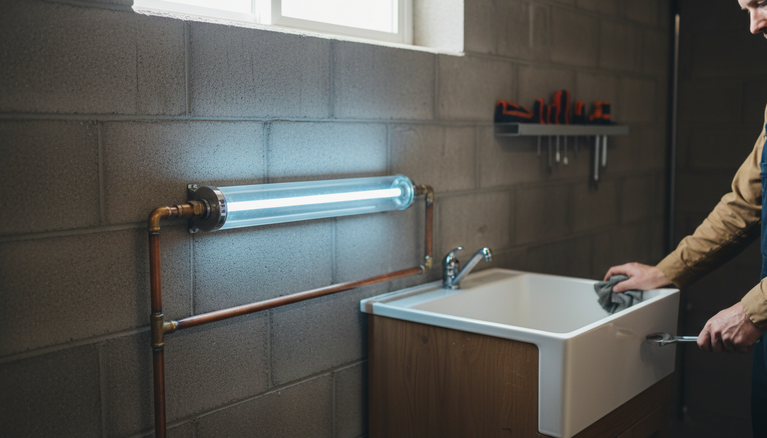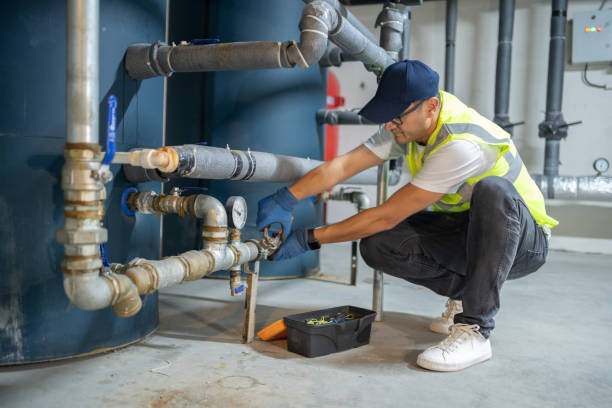

Commercial buildings rely on well-maintained plumbing systems to support daily operations, maintain hygiene and provide a comfortable environment for employees, customers and visitors. From office buildings and retail spaces to restaurants, warehouses and industrial facilities, plumbing plays an essential role in keeping business activities running smoothly. A professional commercial plumbing service helps identify potential problems, maintain water systems and prevent unexpected disruptions. Regular plumbing maintenance is not just about fixing leaks or clearing blocked drains. It involves checking the overall condition of pipes, fixtures, drainage systems, water heaters and other essential components to ensure they continue working efficiently.
1. Prevents Unexpected Plumbing Problems
Plumbing problems can develop gradually and often remain unnoticed until they cause significant disruption. Small leaks, slow drainage, damaged pipe connections and faulty fixtures may appear minor initially, but they can become more serious without proper attention.
Regular maintenance helps identify these warning signs before they turn into major repairs.
Early Detection of Hidden Leaks
Leaks can occur behind walls, beneath floors or around plumbing connections. If left unnoticed, they may cause water damage, dampness and mould growth. Routine inspections help identify unusual moisture, water pressure changes and other signs of leakage.
Reduces the Risk of Pipe Damage
Commercial plumbing systems often experience frequent use throughout the day. Over time, pipes can develop corrosion, cracks or weakened connections. Checking their condition regularly helps identify deterioration and determine when repairs or replacements are necessary.
2. Maintains Proper Water Pressure
Consistent water pressure is important for commercial properties, particularly those with multiple washrooms, kitchens, cleaning stations and other water-dependent facilities.
Low water pressure can make everyday activities inconvenient, while excessive pressure may place unnecessary stress on pipes and plumbing connections.
See also: The Role of a Secure Data Destruction Service in Business Information Management
Identifies Pressure-Related Issues
Changes in water pressure may indicate blocked pipes, leaking connections, faulty valves or problems with the water supply. Regular checks help identify the underlying cause and maintain suitable pressure throughout the building.
Supports Multiple Plumbing Fixtures
Large commercial properties may have several fixtures operating simultaneously. Proper maintenance helps ensure that taps, showers, toilets and other water outlets receive an adequate water supply.
3. Improves Drainage System Performance
Drainage systems handle wastewater from sinks, toilets, floor drains and other plumbing fixtures. In busy commercial environments, these systems can experience heavy daily use.
Grease, soap residue, food particles, dirt and other materials can gradually accumulate inside drains, increasing the risk of blockages.
Prevents Frequent Drain Blockages
Routine drain inspections and appropriate cleaning help remove accumulated debris before it restricts water flow. This is especially important for restaurants, commercial kitchens and buildings with high washroom usage.
Reduces Drainage Disruptions
Blocked drains can create unpleasant smells, overflowing water and hygiene concerns. Maintaining drainage systems helps reduce these problems and supports uninterrupted building operations.
4. Supports Workplace Hygiene and Safety
Clean water and effective wastewater disposal are essential for maintaining hygienic commercial environments. Plumbing problems can affect washrooms, kitchens, staff facilities and other areas used by employees and visitors.
A poorly maintained system may contribute to standing water, unpleasant odours, leaks and unsanitary conditions.
Maintains Clean Washroom Facilities
Commercial washrooms require properly functioning toilets, taps, sinks and drainage systems. Regular maintenance helps ensure these facilities remain usable and reduces the possibility of plumbing-related hygiene issues.
Helps Prevent Water-Related Hazards
Leaking pipes and overflowing drains can create slippery surfaces. These conditions may increase the risk of slips and falls, particularly in busy workplaces. Timely repairs help maintain safer surroundings.
5. Extends the Lifespan of Plumbing Equipment
Commercial plumbing systems include various components that experience continuous use. Pipes, valves, pumps, water heaters, fixtures and drainage equipment can gradually deteriorate due to age, pressure and regular operation.
Preventive maintenance helps keep these components in suitable working condition.
Reduces Wear and Tear
Regular inspections can identify loose connections, corrosion, damaged seals and other signs of deterioration. Addressing these issues early may prevent additional stress on connected plumbing components.
Helps Identify Replacement Requirements
Some plumbing components eventually reach the end of their useful service life. Maintenance checks help determine whether a part requires repair, adjustment or replacement, allowing property managers to plan improvements rather than waiting for an unexpected failure.
6. Helps Control Water Consumption
Unnecessary water consumption can affect the overall efficiency of commercial properties. Even small leaks from taps, toilets and pipe connections can lead to considerable water waste when they continue for extended periods.
Regular plumbing maintenance helps identify areas where water is being used inefficiently.
Detects Continuous Water Leakage
A leaking toilet or dripping tap may seem like a minor issue, but continuous water loss can add up over time. Routine inspections help identify these problems and ensure that faulty fixtures receive attention.
Improves Fixture Efficiency
Commercial properties can benefit from checking taps, flushing systems and other water outlets for proper operation. Replacing damaged or inefficient components can support more responsible water usage.
7. Reduces Business Disruptions
Plumbing failures can affect more than just water supply and drainage. They may interrupt business activities, restrict access to facilities and create inconvenience for employees and customers.
For example, a blocked toilet in an office or a leaking pipe in a commercial kitchen may require certain areas to be temporarily closed.
Supports Better Maintenance Planning
Scheduled plumbing inspections allow property managers to identify maintenance requirements in advance. Work can often be organised during quieter business hours to minimise disruption.
Helps Avoid Emergency Repairs
Preventive maintenance reduces the likelihood of unexpected plumbing failures. Although it cannot eliminate every possible problem, it helps businesses manage their plumbing systems more proactively.
8. Maintains Compliance With Building Requirements
Commercial properties may need to meet applicable building, plumbing, sanitation and workplace safety requirements. These requirements can vary depending on the property type, location and nature of business operations.
Regular plumbing maintenance helps property managers monitor the condition of essential systems and identify issues that may require corrective work.
Supports Proper Sanitation
Functional water supply and wastewater disposal systems are important for maintaining appropriate sanitation standards. Routine checks help ensure that plumbing fixtures and drainage facilities remain in suitable working condition.
Helps Maintain Building Infrastructure
Property managers should maintain records of inspections, repairs and component replacements. These records provide useful information about the condition of plumbing infrastructure and help plan future maintenance activities.
9. Identifies Common Commercial Plumbing Issues
Different commercial properties experience different plumbing challenges depending on their size, building layout, occupancy and water usage.
Some problems occur more frequently in environments with heavy daily plumbing demand.
Common issues include:
- Leaking pipes: Damaged or weakened connections can allow water to escape and affect nearby building materials.
- Blocked drains: Accumulated grease, debris and other materials can restrict wastewater flow.
- Faulty toilets: Worn internal components may cause continuous running, weak flushing or water leakage.
- Water heater problems: Sediment accumulation and component deterioration can affect heating performance.
- Corroded pipes: Age and water conditions may contribute to corrosion and reduced pipe reliability.
- Damaged fixtures: Frequently used taps, valves and other fittings may become loose or stop functioning correctly.
Recognising these problems early makes it easier to arrange appropriate repairs and maintain reliable plumbing operations.
10. Establishes a Practical Plumbing Maintenance Schedule
A structured maintenance schedule helps ensure that important plumbing components receive regular attention. The inspection frequency should depend on the building’s size, plumbing system, occupancy and daily water consumption.
Routine Visual Inspections
Property managers can regularly check visible pipes, taps, toilets, sinks and drainage outlets for leaks, unusual noises, moisture and signs of damage.
Professional Plumbing Assessments
More detailed inspections can help evaluate pipe conditions, water pressure, drainage performance and the operation of major plumbing equipment.
Maintenance Records and Follow-Ups
Keeping records of plumbing inspections and completed repairs helps track recurring problems. It also allows property managers to prioritise maintenance work and identify components that may require further attention.
Conclusion
Regular plumbing maintenance is an important part of managing commercial properties effectively. It helps prevent unexpected plumbing problems, maintain proper water pressure, improve drainage performance and support workplace hygiene. It also contributes to efficient water consumption, protects building infrastructure and reduces the likelihood of operational disruptions.
By arranging routine inspections and addressing minor issues promptly, property managers can maintain more reliable plumbing systems and provide better facilities for employees, customers and visitors. A consistent maintenance approach helps commercial buildings remain functional, safe and prepared for everyday demands.